
ESG Reporting
ESG Reporting
Product Description
ESG Reporting
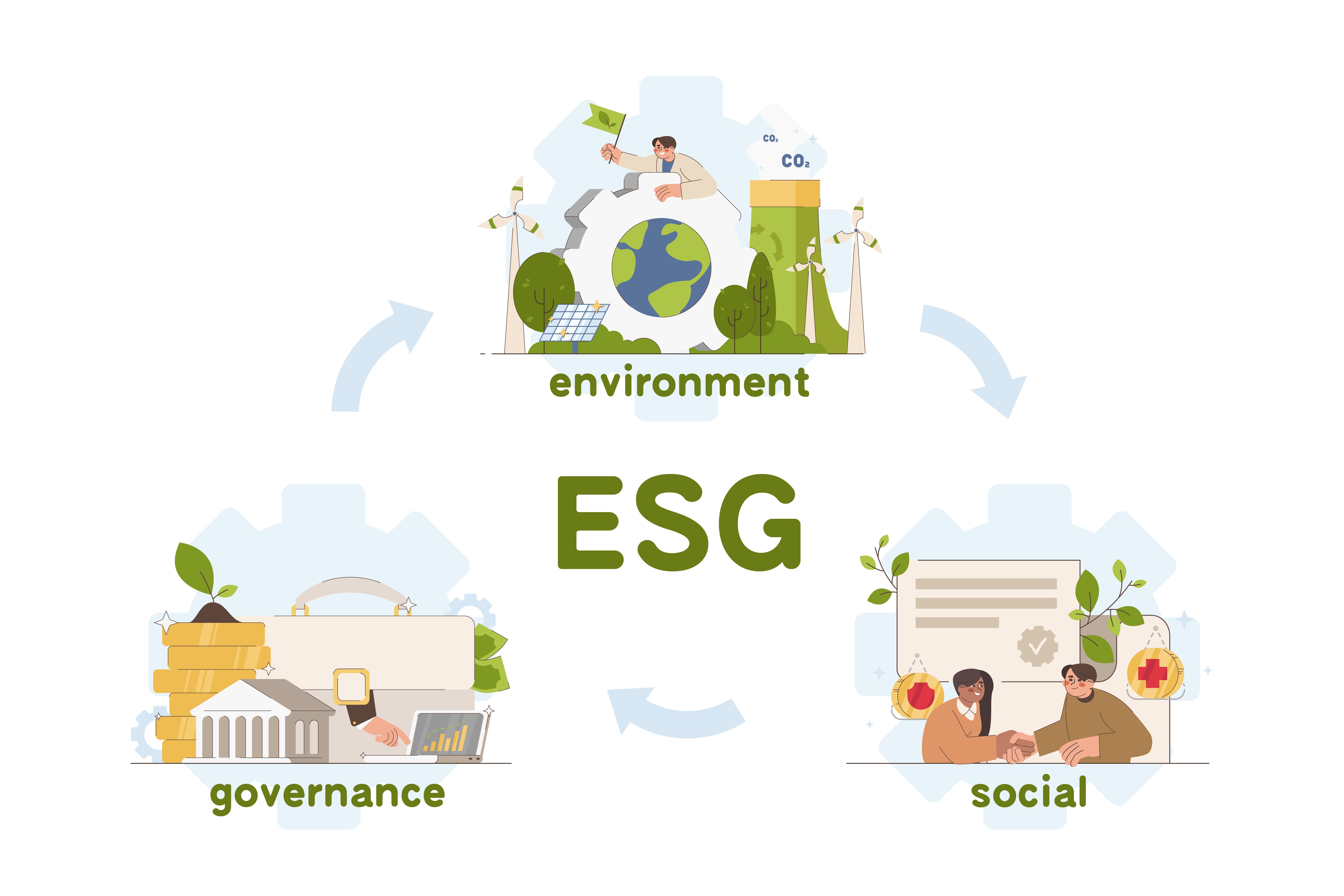
ESG (Environmental, Social, Governance) is a strategic approach organizations take to challenges such as climate change. It involves collecting, analyzing, and disclosing information about the company’s impact on the environment, society, and governance practices. The ESG approach influences the company’s relationships with stakeholders and investors, its reputation, and its ability to achieve long-term profitability.

Environmental aspect:
– Encompasses biodiversity, energy consumption, waste, pollution, water resource management, raw materials, and carbon dioxide emissions.
– Companies must develop environmental protection strategies that enable them to measure progress.

Social aspect:
Concerns relationships with individuals and groups that influence or are influenced by the company, employee-related issues (e.g., combating discrimination), adherence to ESG standards by suppliers, customer relations, and activities supporting local communities.

Corporate governance:
Encompasses the company’s structure, operational transparency, anti-corruption measures, fair supplier relations, and investor communication.

Key Benefits
Key Elements of Non-Financial Reporting

Information presented
in a separate section of the
financial statement

Mandatory digital
format (XHTML)

Reports are subject to
auditor verification

Assessment of the company’s
material impact on sustainable development

“When we began working with Hogart, we noticed improvement: tasks started being completed more efficiently and in less time. Over time, our collaboration evolved dynamically. The company established a dedicated and fully available team of Qlik consultants supporting us in recurring BI projects. We are satisfied with the results of our collaboration, which continues to this day.”

Who Must Report and When?
2024: Large companies listed on EU stock exchanges, employing over 500 people.
2025: Other large companies employing over 250 people or achieving a specified level of revenue or assets.
2026: Small and medium-sized listed companies.
Questions and Answers
Frequently Asked Questions
ESG reporting is the process of collecting, analyzing, and publishing data concerning an organization’s impact on the environment (E – Environmental), society (S – Social), and corporate governance (G – Governance). It includes non-financial reporting on emissions, resource consumption, social policies, and management practices.
Contact
Talk to a Consultant
Are you thinking about implementing Business Intelligence in your organization or do you want to develop your existing BI solutions?
Are you looking for a trusted partner who will help translate data into real business decisions?
Contact us – talk to a Hogart Business Intelligence consultant.
We would be happy to learn about your needs and suggest the best solutions.